
Last weekend, my creative writing teacher invited me to the highest-stakes Texas Hold'em tournament I had ever played in.
After it ended, I told a friend who came with me, "That game might have been my biggest dopamine spike of the first half of this year."
Before this, my strongest impressions of Texas Hold'em came from two poker scenes in movies. I had played a few casual home games with friends, but this buy-in was higher, and players outside our group could buy in.
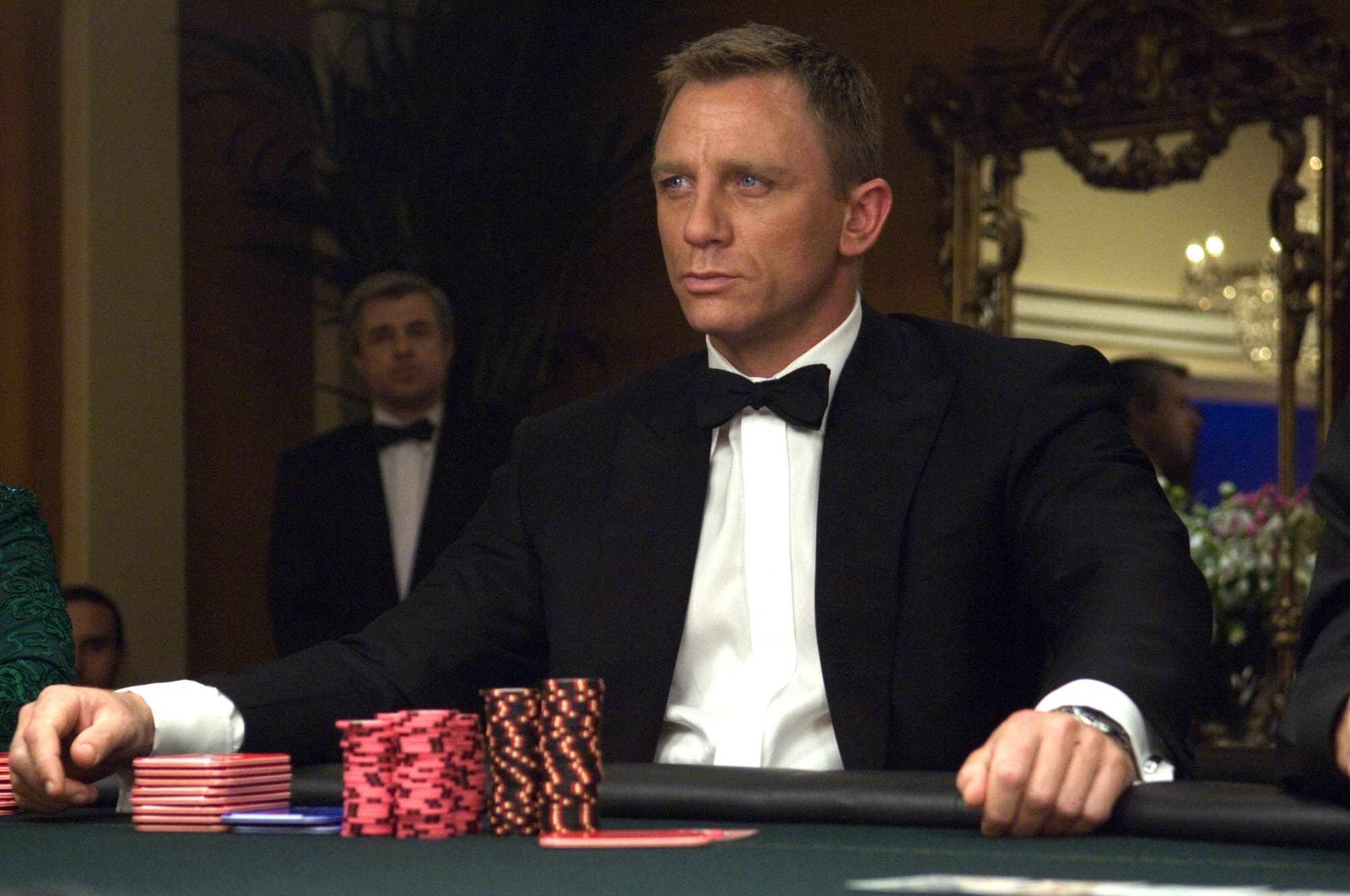
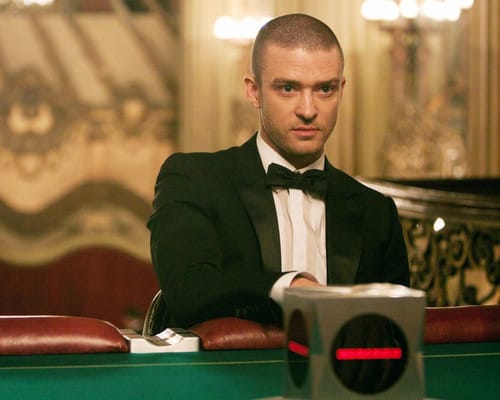
I did not really want to go at first. I knew exactly where I stood. At my level, I was probably walking in to get slaughtered.
Texas Hold’em is fairly beginner-friendly. There’s enough variance in any given hand that even a beginner can get lucky and win. But over a large enough number of hands—especially in a tournament where the blinds keep increasing—the skill gap eventually reveals itself in each player’s chip stack.
Going in with awareness
A few weeks before the event, my teacher messaged me and asked if I was coming. I thought about it again. Wait, I was not going there to win.
Getting together with classmates was already fun. Maybe I did not need to think so much about it.
My teacher had also talked with me before about patterns he noticed in my personality and had given me advice on writing. So I figured I could go in deliberately aware of myself and watch how I reacted at the table. It would be a chance to practice reading people and maybe collect some material to write about.
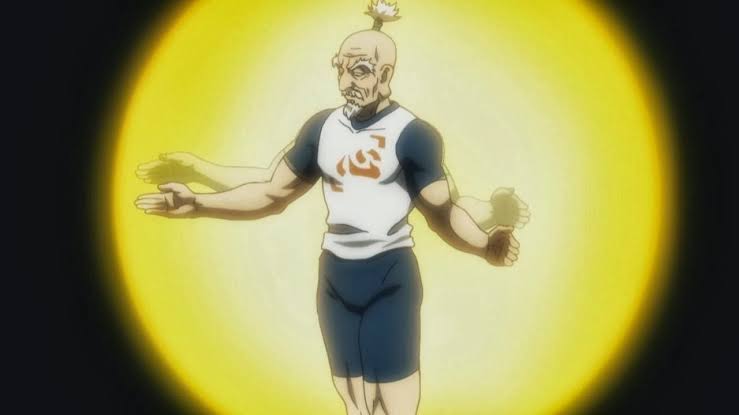
I borrowed a metaphor from Hunter x Hunter: "En (圓)," a technique that lets a character sense everything within a certain radius. I wanted that kind of radar covering the whole table while I watched how I reacted to money, winning, losing, and pressure.
The buy-in also hit an interesting sweet spot. I could spend it without thinking too hard, but it was still enough to make the stakes feel real.
Before I went in, I gave myself one rule: make the best decision I could with what I knew, enjoy the experience, and engage with the people at the table.
A predator's gaze
At the beginning of the first round, my teacher, my classmates, and I were laughing and chatting. Whenever two of us made it all the way to the river, we would still trash-talk each other.
Then one hand reminded me that real money was involved.
It came down to me and a player I did not know. I had assumed he was a student from another class. Later, I found out that the tournament had been open to anyone willing to buy in.
Confident in my hand, I kept raising with him as the board ran out to the river. Then I pushed in the rest of my chips. All-in.
When it was his turn to act, the player who had been curled up under a blanket finally leaned forward and looked at me from across the table.
It was nothing like making eye contact with a friend. There was no warmth and no smile. He looked at me the way a predator looks at prey.
In that glance, I could almost hear his inner monologue:
"He looks like a fish. How much value can I extract from him?"
He called.
I lost every chip I had in the first round. It was the first time I had felt another person's hostility so directly across a poker table.
A testing gaze
I paid the buy-in again and sat down for the second round. Alongside the same teacher and classmates, another stranger took the seat to my left.
His chip tricks and the way he interacted with the dealer made it obvious that he was a seasoned player. He was also much looser and more aggressive than the stranger from the first round. He played more hands and applied more pressure.
Several times while we waited for the cards, I caught him watching my body language and reactions. I have a wide field of vision, and I consider myself fairly sensitive to microexpressions and subtext.
I pretended not to notice and observed him observing me.
His gaze was less aggressive than the first player's, but I could still hear what it was saying:
"Is he acting, or does he really have no idea what he's doing?"
(A lot of the time, I really had no idea.)
This kind of silent sparring felt strange. It was nothing I had experienced in home games with friends.
This might sound a little dramatic. It felt like a scene from a samurai movie, with two samurai circling each other before either one drew a blade. I had assumed scenes like that only existed in fiction. When it happened to me, it felt completely real.
I got pulled in
Halfway through the second round, his probing started getting under my skin. I wanted to take him on.
In several hands, I had cards I would normally never play. After he raised, I made a point of calling almost instantly, trying to take back control of the table's rhythm.
A voice in my head said: I am not letting you see that I am a beginner. Until we show our cards, we are equals.
I only understood that thought process after I had calmed down. In the moment, my emotions were already driving me, and I did not even notice.
Before the game, I had planned to keep that radar on and watch myself. Once I was actually sitting there, I was already fixated on my opponent and on winning.
We went back and forth a few times. I won some and lost some, and I barely understood why either way. I was like someone who had never trained stepping into a ring and throwing wild haymakers.
I have to admit, it felt great.
When two people go head-to-head and one of them loses every chip, it feels strangely territorial. For a moment, a modern poker table felt like a place for old-fashioned conquest.
The rules of Texas Hold'em allow deception and sometimes reward it. You cannot wait for a good hand every time you bet, and you cannot bluff every hand either. Play too many hands and you are too loose. Play too few and you are too tight. Eventually, your opponents will read you.
Through your bets and behavior, you have to sell them a story that benefits you.
With a big enough bankroll and enough skill, Texas Hold'em can be a hell of a game. It is social, and the dopamine hits hard. You can crush someone with better reads and prove that you have the nerve to back your judgment with money.
Why did my teacher choose poker?
While writing this, I started reverse-engineering what my teacher had in mind when he arranged the event.
There are plenty of friendlier ways to spend time together. Why did he choose poker?
Even with all my mental preparation, the table still drew out my irrational side. When people spar like this, their personality starts showing through in their eyes, betting patterns, and body language.
The tournament setup was unusual too. A group of friends shared a table with random strangers. There was enough familiarity to relax and enough outside pressure to keep everyone alert.
It is hard to recreate that mix in everyday life. I do not know if my teacher intended all of it, but it reminded me of something he once said: a good teacher has to let students fall and make mistakes in ways that will not kill them. You cannot take away their right to make mistakes.
Poker gave us exactly that kind of room.
Where the game leaks into real life
The game looked self-contained, with a clear start and finish, but it had a leak.
Once the game ended, the chips became real money again. You walked away with a different amount in your wallet. The wins and losses at the table had leaked into ordinary life.
Luckily, I had already treated the buy-in as a one-time entertainment expense before I sat down. In my head, the money was already spent.
Good decisions still lose. Bad decisions still get lucky. The only things I could control were my decisions and my emotions.
Looking back, playing poker well seems to come down to this: be disciplined about execution and relaxed about the result.


討論